
With that said, I really wanted a deck compass installed because of how unhappy I was with my temporary suunto orca compass when I paddled the inside passage. On short trips it had been fine, but with a deck bag in front of me and a gopro mounted everywhere from one time or another, I had little time to play with a good spot for my compass, and whenever I wanted to use it it wasn't sitting level. For this reason I finally made the move and got myself a deck compass. Actually, Santa Claus brought it, it was very nice of him, too. So a couple of days ago I finally got up the nerve to drill some holes in my kayak and make it happen. Here is the tale.
First, the negatives. The instructions that come with it and available on Brunton's website range from horrible to non-existent. The compass comes with something more akin to guidelines than instructions. It came with a small brass plate that goes under the plastic square mounting plate, and four brass wood screws. I suspected this system would work perfectly on a wooden dashboard, or maybe even a fiberglass kayak, but I had doubts about it working on my thermoformed plastic Delta. Also, the recessed compass location on my boat was just a little too shallow for the compass itself, so it would have to be raised slightly. Here are the parts I bought to make the installation go smoothly.
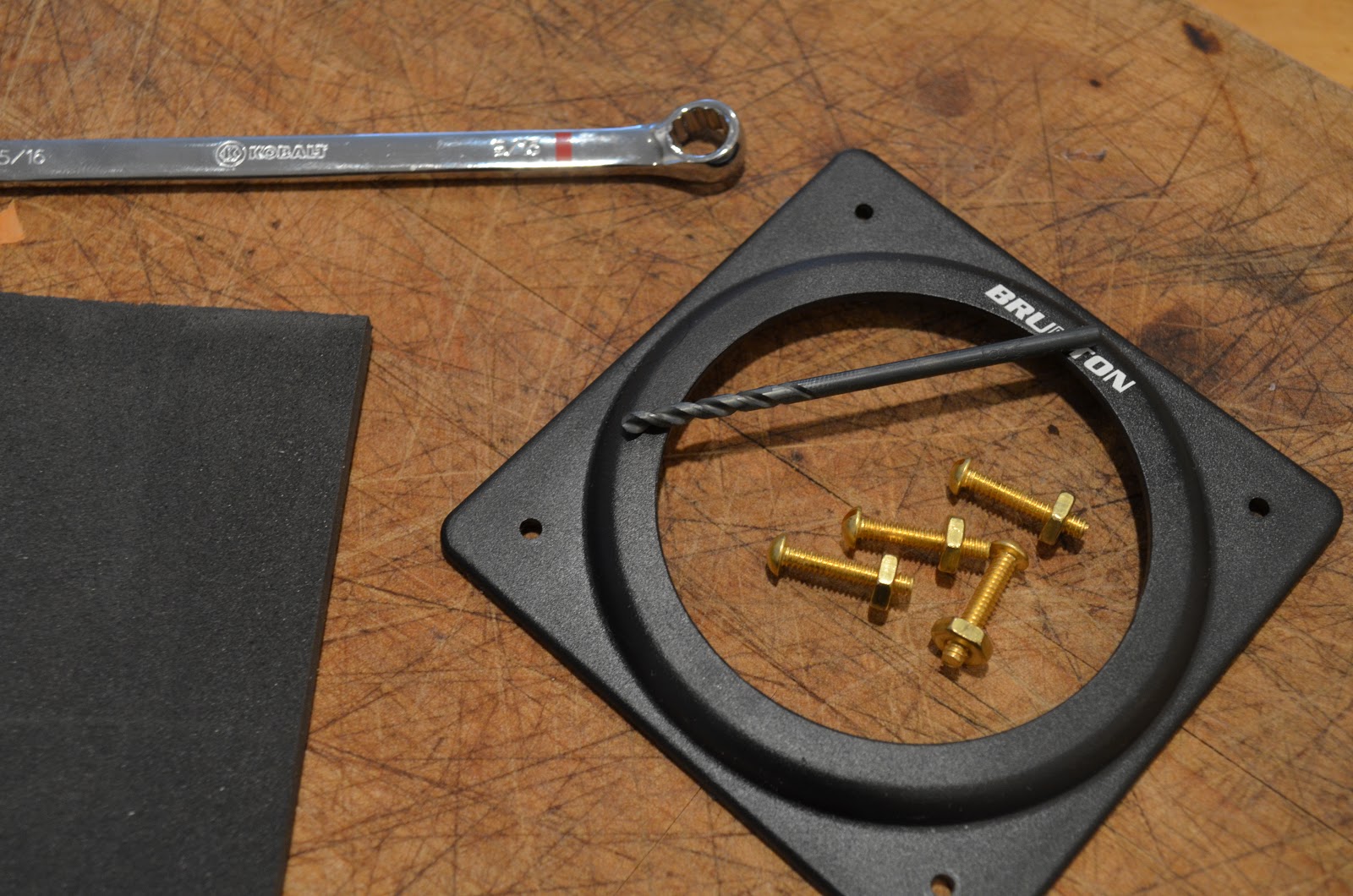
Parts List:
four brass bolts and nuts
1 appropriately sized drill bit (matches the bolts, almost)
1 wrench (also matches the bolts)
1/8 in closed cell foam padding
I already had a screwdriver, a drill, and a matte knife to cut the foam rubber. The bolts were just a little too big for the plate, so I drilled out the plate and the boat at the same time.
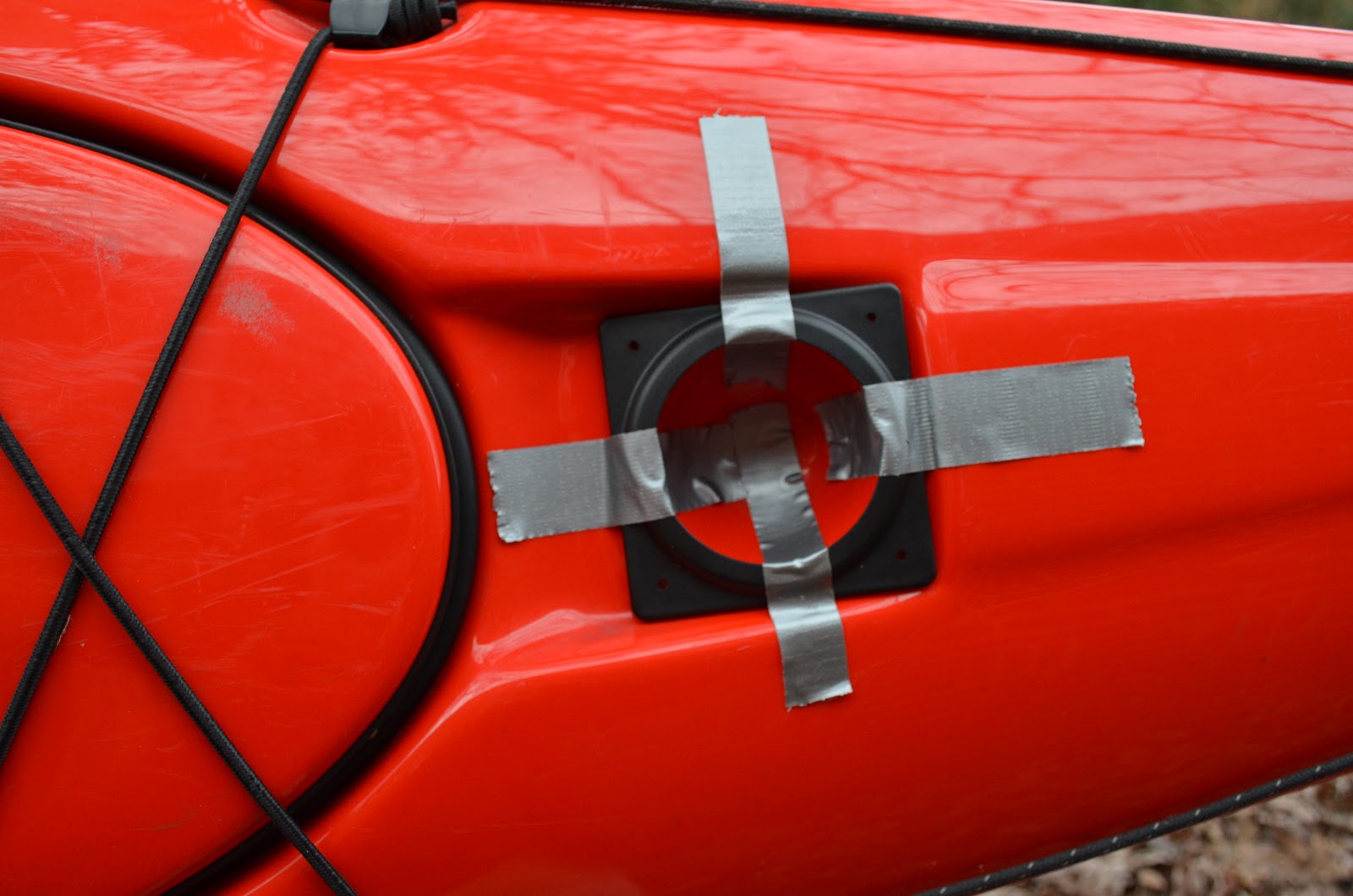
The boat was on my rack, and I used a strap to hold it securely in place. I didn't want it moving around while I was drilling the holes. Once I got the idea in my head that if I screwed up somehow, I could plug the holes with aqua seal, and most people wouldn't even notice.
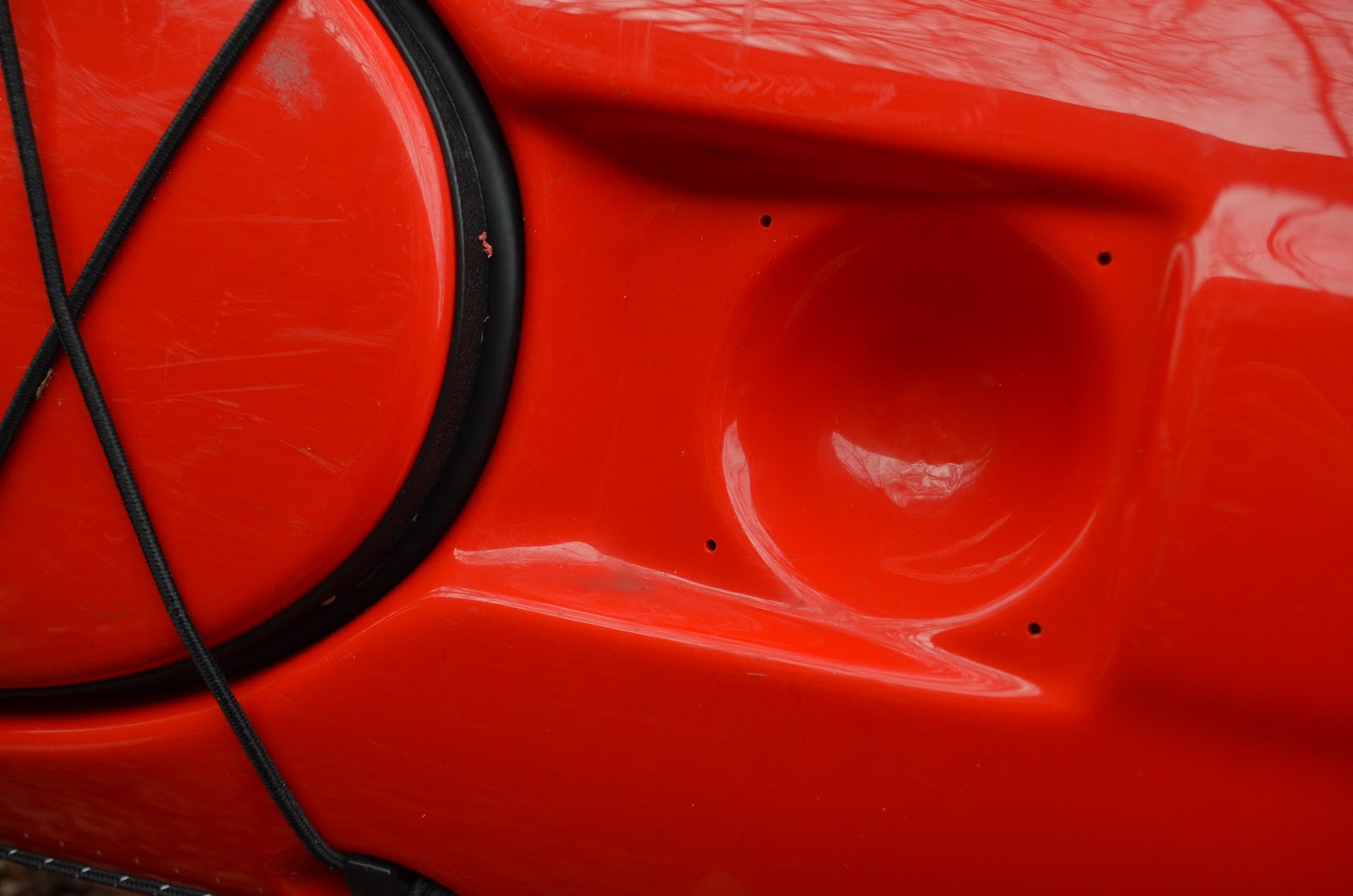
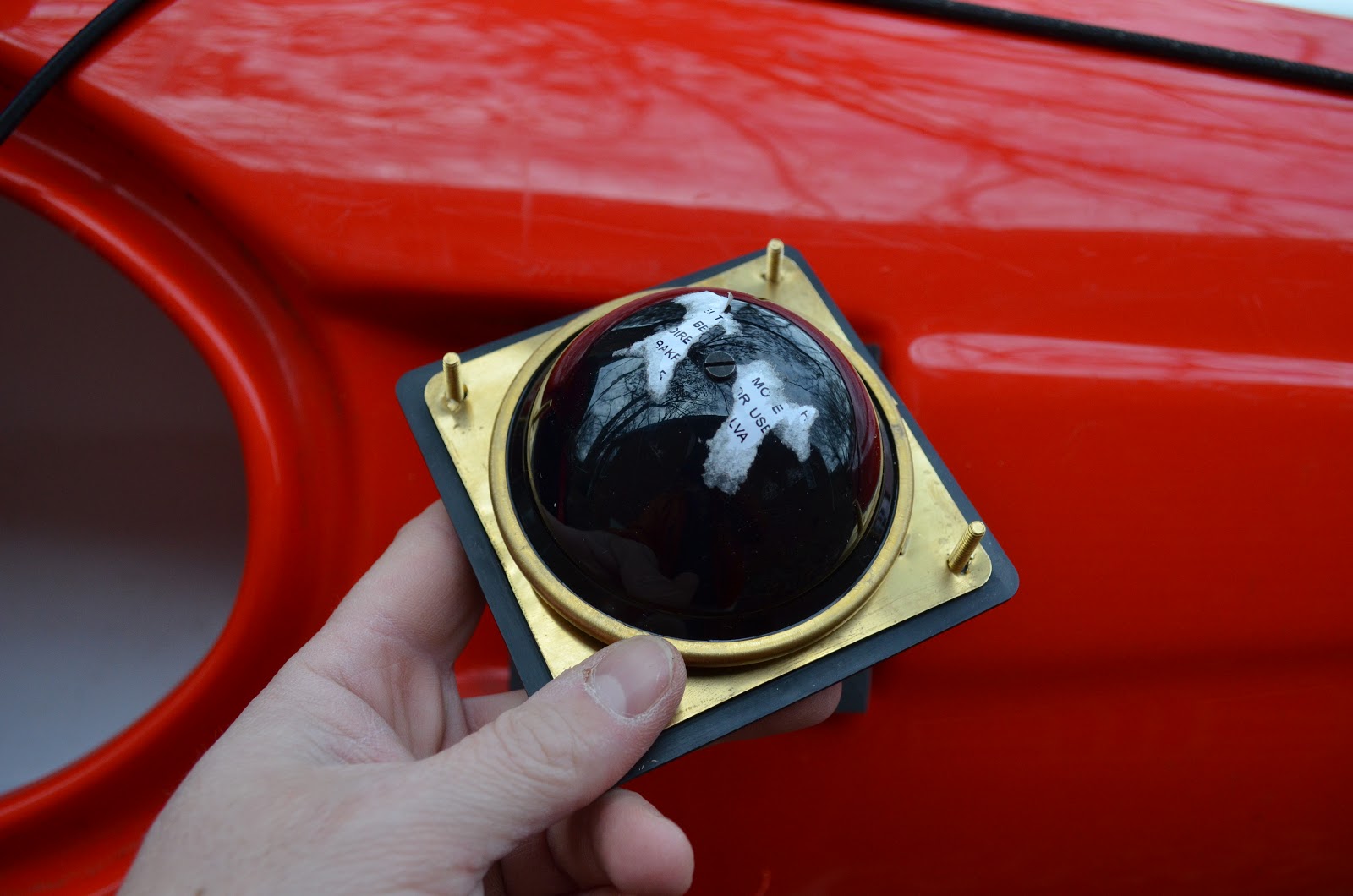
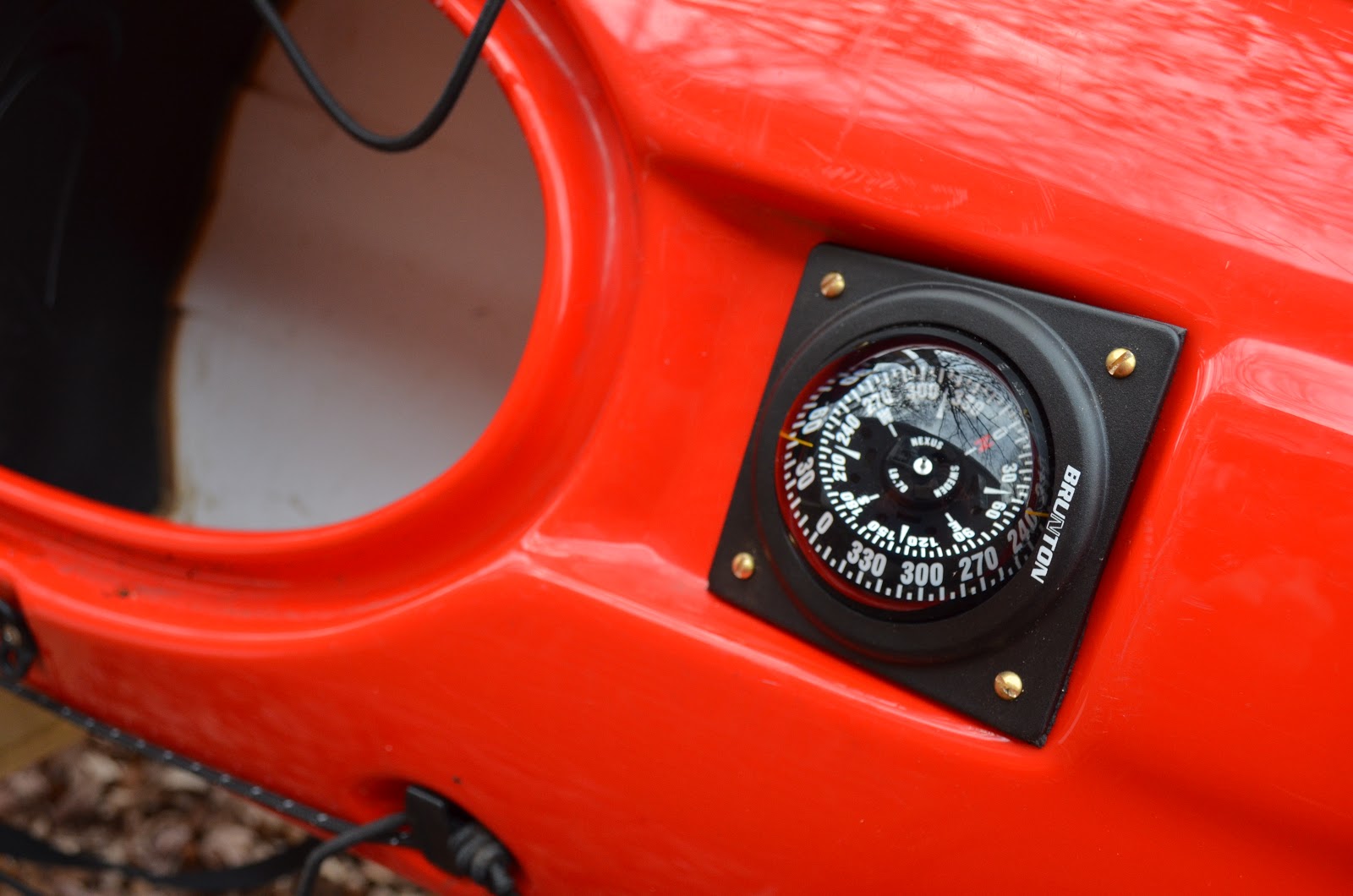
The holes in the deck are just a little bit smaller than the bolts, so I had to screw them into the boat. This was part of the plan, as I wanted a tight fit to prevent leaks. Once screwed through the boat, I attached the nuts from the inside and tightened them up, it pulled the compass flush against the boat. I screwed in so tightly that I doubt I need a sealer, but I plan on running some tests.
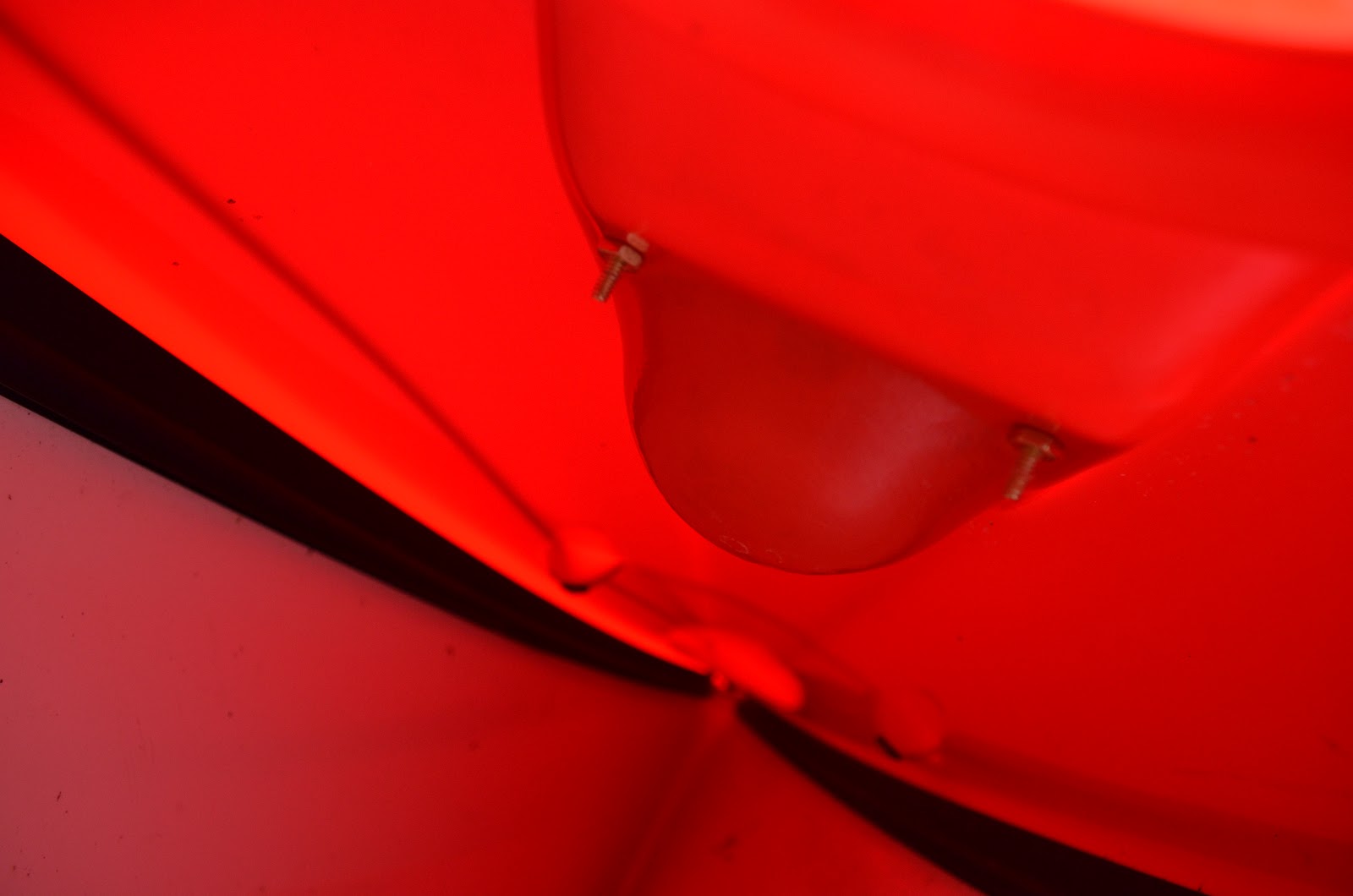


I put acorn nuts on the end of the bolts,
ReplyDeleteand sikaflex on the bolt threads to prevent leaks.
Al Dunham, Vancouver Island
I like the acorn nut idea. Odd I didn't think of it since I am surround by them for my go pro. I will need shorter bolts as well then, that may be a problem. thanks for the suggestion.
ReplyDeletePO
I put nylon locknuts on as the main nut and the acorn nuts are extras that cover the end of the bolts
DeleteAl
thanks
ReplyDelete